

Fuel Efficiency Optimization Tips for a Used Caterpillar 336D Excavator
Release time: 2025-12-09
Table of Contents
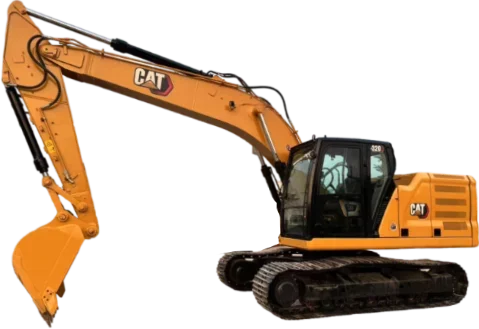
The Caterpillar 336D is a high-performance large hydraulic excavator widely used in construction, mining, and other heavy-duty engineering projects. For many operators, fuel efficiency is one of the key factors in reducing operating costs. Although the fuel efficiency of a used Caterpillar 336D may be affected by years of use and machine condition, adopting the right optimization methods can still significantly improve efficiency, extend the machine’s service life, and reduce daily operating expenses. This article explores practical tips for improving the fuel efficiency of a used Caterpillar 336D excavator.
1. Regular Maintenance and Inspection
Fuel efficiency optimization starts with consistent maintenance. Check the condition of the air filter, fuel filter, and hydraulic filter regularly. Filters that are clogged or overdue for replacement restrict airflow and fuel flow, forcing the engine to work harder and consume more fuel. Keeping filters clean and replacing them on schedule is fundamental for maintaining fuel efficiency. Additionally, using high-quality engine oil and ensuring clean hydraulic oil help reduce internal friction and improve overall economy.
2. Good Operating Habits
The operator’s habits directly affect fuel consumption. Avoid prolonged idling, unnecessary engine revving, and excessive acceleration. Operators should select the appropriate working mode according to the environment and workload. For example, using Eco Mode during light-duty tasks reduces engine output and saves fuel. Smooth and steady operation—avoiding sudden acceleration or abrupt stops—reduces unnecessary energy loss.
3. Proper Use of Working Modes
The 336D offers several working modes such as Standard, Power, and Economy. Selecting the correct mode is essential for optimizing fuel use. Eco Mode is ideal for low-load or lighter tasks, helping reduce fuel consumption. For heavy-duty work, Power Mode delivers greater efficiency but also increases fuel usage. Evaluating site conditions and switching modes appropriately ensures both productivity and fuel savings.
4. Maintaining Proper Machine Balance
The excavator’s efficiency is influenced not only by the engine and hydraulic system but also by machine balance. Ensuring that components such as the bucket, stick, and boom are in good condition helps prevent unnecessary energy loss. Worn buckets or hydraulic issues can cause unstable power delivery and increase fuel use. Regular inspection and timely replacement of worn parts are essential when operating a used excavator.
5. Controlling Load and Digging Depth
Excessive load or digging too deep forces the machine to burn more fuel. Properly planning the digging range and avoiding overload improves efficiency. For example, when excavating soil, try not to take overly large scoops at once. Instead, progress gradually in multiple passes, maintaining a stable and reasonable load for optimal fuel performance.
6. Using the Fuel Monitoring System
Many original used Caterpillar 336D excavators come equipped with fuel monitoring systems that track consumption in real time. These systems allow operators to identify unusual fuel usage patterns and make timely adjustments. This not only enhances fuel management but also helps detect mechanical issues before they become serious problems.
Even though a used Caterpillar 336D excavator may have years of operation behind it, applying these optimization techniques can significantly reduce fuel consumption and improve cost efficiency. Regular maintenance, good operating habits, selecting the right work mode, and proper work planning all contribute to better fuel economy. With these practices, the excavator can maintain reliable performance, extend its working life, and achieve greater returns on investment.